Arctic char fishing in Sweden
Arctic char (Salvelinus alpinus) is the salmonid of cold water — it thrives in clear, cold, oxygen-rich lakes where few other species survive. Sweden holds both large-growing char in a handful of deep southern lakes and mountain char in thousands of alpine lakes across the north.

Rödingen lever i kalla, klara fjällsjöar och djupa sjöar i Norrland. Vacker fisk med röd buk och vit kant på fenorna.
Source: SLU Artdatabanken
Fishing tips & gear
- Jigging spoon tipped with maggot or a piece of fish (Kuusamo Räsänen, Lill-Räsken)
- Mormyshka tipped with maggot
- Balance jig (Rapala Jigging Rap W5/W7)
- Small soft-plastic jig
Mountain char fishing is best in the last weeks before ice-out. Fish 8–25 m along drop-offs. Use a fish-finder to locate them.
Most common methods
Where to find Arctic char
Large-growing char are found in a handful of deep southern lakes: Vättern, Sommen, Ören, Yngen and Mycklaflon — all critically threatened populations that demand careful handling. Mountain char occur in large numbers of alpine lakes in Jämtland, Härjedalen and Lapland, and in some high-mountain rivers.
Season
Char are fished year-round. Ice fishing from January to April is hugely popular in the mountains. Open water is best from June to August from a boat, using mormyshka and maggot, jigs or flies. During spawning in September–October, char are protected in the southern lakes.
Methods and lures
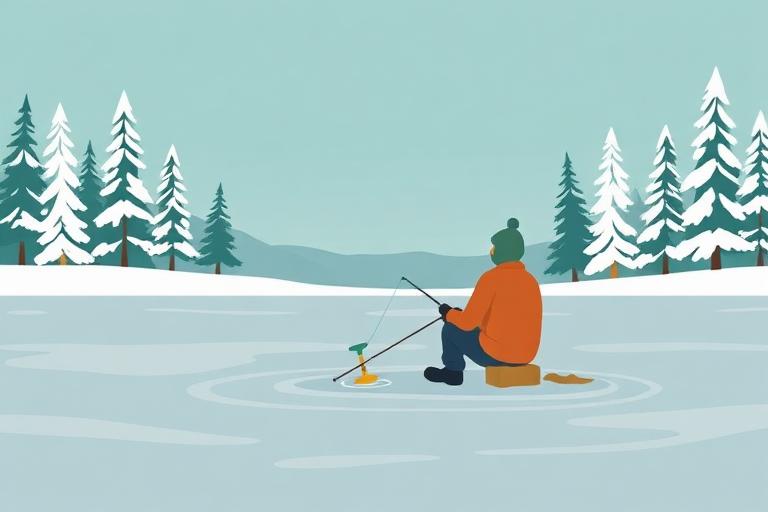
Through the ice, a balance lure or 3–7 g vertical jig is standard — add a mormyshka and maggot when the fishing is slow. Char typically hold 3–15 metres down under the ice.
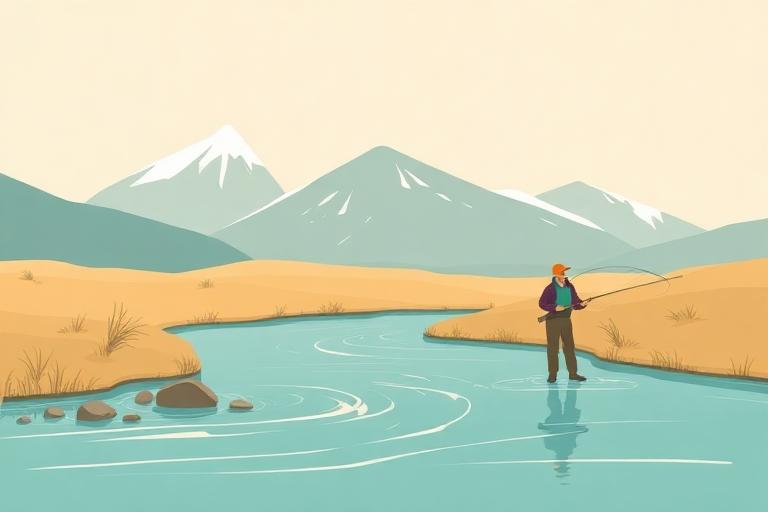
Trolling small crankbaits, or a flasher with a fly, is effective for the large-growing char in deep lakes. Fly fishing with streamers and nymphs works well over surface-feeding shoals and in flowing water.
Tackle for Arctic char
On the ice: a short jigging rod, 0.14–0.18 mm line and a balance lure or vertical jig of 3–7 grams. Always carry mormyshka jigs and maggots as a plan B — on hard days they are often the only thing that produces a take. A sonar, or a drilled grid of holes, saves hours of searching.
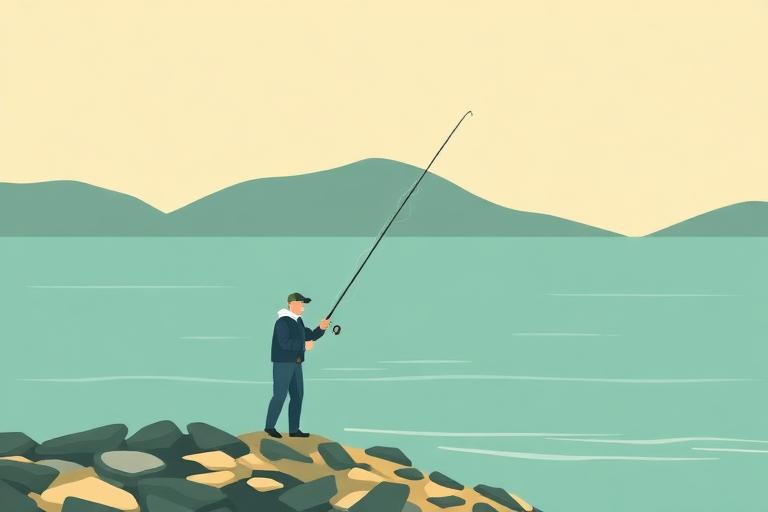
On open water from a boat: a light spinning rod of 6–8 feet with 0.20 mm line and small spinners, jigs, or a trolling rig with a flasher and fly. Mountain char are often taken from the bank with spinners or a 4–6 weight fly rod.
Char are a delicate fish. Use barbless hooks when you plan to release, and keep the fish in the water while unhooking, especially in warm weather.
Rules and protection of large char
The large-bodied char of Vättern, Sommen and the other deep southern lakes are a threatened, extremely slow-growing stock — a 5 kg fish can be over 20 years old. These waters carry autumn closed seasons, minimum sizes and in some cases a full ban on retaining fish.
In the mountains, fishing is governed by permits from fishery associations, Sami villages or the county administrative board. Mountain waters often restrict gear and set a daily quota.
Always read the local regulations before the trip. The rules around char are among the strictest in Swedish sport fishing, precisely because the stocks are so vulnerable.
Lakes where röding has been recorded
Based on species observation data for Swedish waters. Open a lake for weather, fishing times and local rules.
- Röding in MedstugusjönJämtland
- Röding in VätternSvealand
- Röding in Flättjärnen
- Röding in KultsjönVästerbotten (Vilhelmina)
- Röding in Heinäjärvi
- Röding in ÅnnsjönJämtland
- Röding in Stor-BlåsjönJämtland
- Röding in Stensjön/Sättersbotjärn (Grycksbo)Dalarna
- Röding in SatisjaureNorrbotten
- Röding in Södra DellenHälsingland
Fishing guides for röding
Frequently asked questions
When is the season for röding?
The peak season for röding in Sweden is June-August.
How big does röding get?
Röding can grow up to 8.0 kg.
What's the best method to catch röding?
Common methods for röding are Fly fishing, Spinning, Ice fishing.
Which techniques work for röding?
Ice fishing, Fly fishing and Trolling — see the full guide for the right gear, baits and season.
Which bait works best for röding?
Proven baits: Jigging spoon tipped with maggot or a piece of fish (Kuusamo Räsänen, Lill-Räsken), Mormyshka tipped with maggot, Balance jig (Rapala Jigging Rap W5/W7).
What is the difference between large-growing and mountain char?
Genetically the same species, but different life forms. The large-growing form is stationary and slow-growing in deep southern lakes, reaching 8 kg or more and living past 20 years. Mountain char are the smaller form, 0.3–2 kg, in cold alpine lakes.
Where can I fish for large char in Sweden?
Vättern is the best-known water, with trolling and ice fishing both productive. Sommen also holds a known population. Both lakes have specific spawning closures, typically 15 September–31 December.
How do I tell char from brown trout?
Char have light spots on a dark background — the opposite of trout, which have dark spots on a light background. Char fins often carry a white leading edge, and the body is slimmer with smaller scales.
Do I need a boat to fish for char?
In the deep southern lakes such as Vättern and Sommen, yes. In the mountains and on the ice, char are usually fished from the ice or the bank, and many mountain waters fish well from shore with a spinner, mormyshka or fly.
Have you caught Röding?
Log the catch, compare with other anglers and climb the leaderboard.
Log catch