Rainbow trout fishing in Sweden
Rainbow trout (Oncorhynchus mykiss) is a North American salmonid that has long been stocked into Swedish put-and-take fisheries, ponds and some coastal areas. It is recognised by the pink band along its flank and the densely black-spotted fins. Rainbows take readily and fight hard, which makes them the first salmonid many anglers in Sweden ever catch.

Regnbågen är en nordamerikansk laxfisk som sätts ut i svenska put and take-vatten och dammar. Känns igen på det rosa bandet längs sidan och de tätt svartprickiga fenorna. Hugger villigt och drillar hårt.
Fishing tips & gear
- Streamers
- Egg patterns
- Nymphs
- Dry flies
- Boobies
Put-and-take fishing is common. Vary your depth. Popular Swedish waters: Bunn, Sommen and many small stocked put-and-take ponds.
Most common methods

Where to find rainbow trout in Sweden
Rainbow trout occur almost exclusively where they have been stocked: put-and-take lakes and ponds exist across the country, most densely in Skåne, Västra Götaland, the Stockholm region and around the larger cities. Many venues restock weekly during the season.
The species essentially does not reproduce naturally in Swedish waters, so the fishing depends entirely on stocking. Occasional rainbows are caught as escapees from fish farms, mainly along the coast and downstream of farms in rivers.
Season and best time to fish
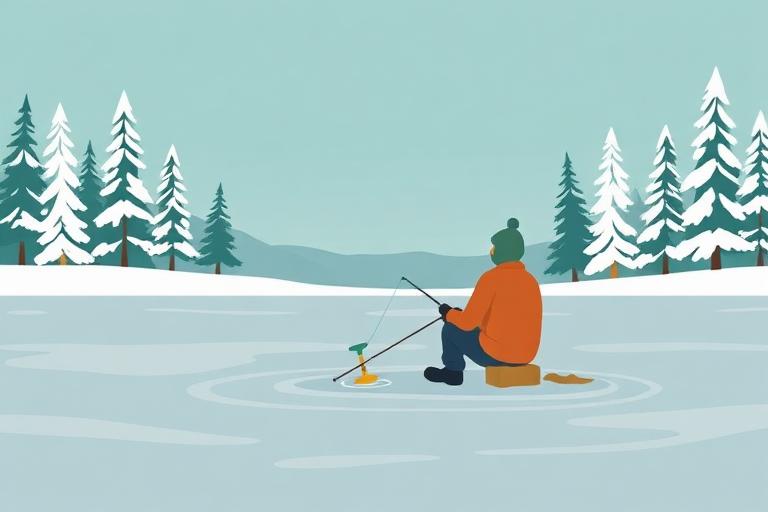
Rainbow trout are a cold-water fish and feed best at 4–14°C, which means March to May and September to November. Many put-and-take waters stay open year round and offer ice fishing through the winter.
In high summer the fish go deep and turn passive in shallow ponds. Fish early morning and evening, or search the deepest areas and inflows where the water is coolest and best oxygenated.
Methods and baits
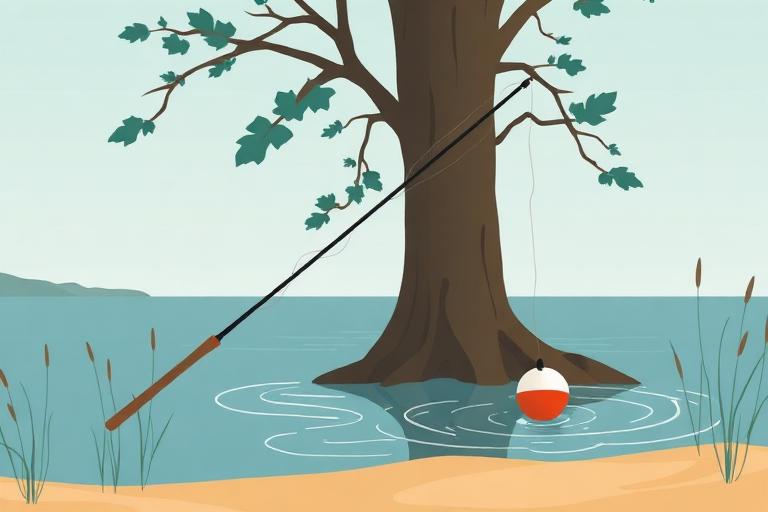
Legering with powerbait or sweetcorn is the simplest and often the most effective approach in put-and-take waters. Use 0.18–0.22 mm line, a small running lead and a 60–80 cm leader so the bait floats up off the bottom.
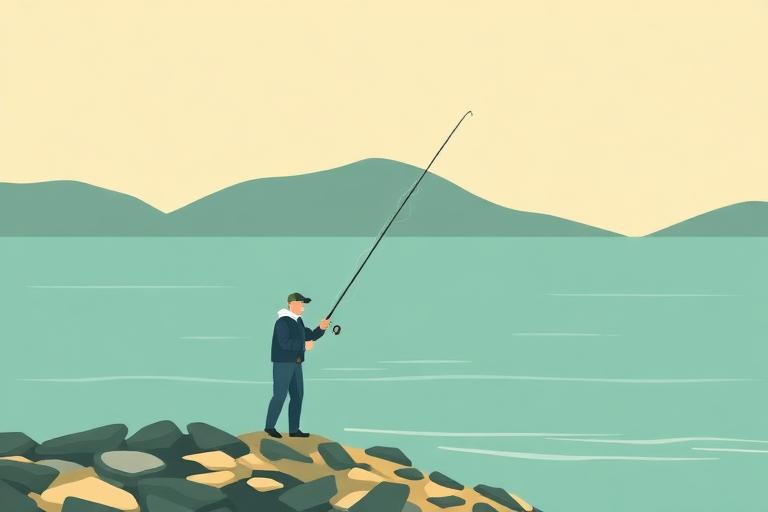
Spin fishing with size 2–3 spinners, small spoons and crankbaits covers water quickly. Fly fishing works very well: nymphs and small streamers under an indicator when the fish are deep, dry flies when they are rising.
Vary depth and retrieve speed until you find the fish. Rainbows usually shoal at one particular level, and once you find it the takes come thick and fast.
Tackle
A 7–9 foot spinning rod rated 5–25 grams with a 2500 size reel handles all normal rainbow fishing. For the fly, a 5–6 weight outfit with a floating line and a sinking leader is a good all-rounder.
Many put-and-take venues require barbless hooks or ban certain baits. Check the venue's rules before you go — they differ markedly between waters.
Rules and eating quality
Put-and-take waters are regulated by the venue itself: day tickets, a quota on the number of fish and sometimes a requirement that any killed fish counts towards that quota. The permit states what applies.
Rainbow trout is excellent eating, with firm pink flesh that smokes, grills whole and pan-fries beautifully. Because the species does not reproduce naturally in Sweden, there is no conservation reason to release fish, unlike brown trout and Arctic char.
Frequently asked questions
When is the season for regnbåge?
The peak season for regnbåge in Sweden is March-May, September-November.
How big does regnbåge get?
Regnbåge can grow up to 10.0 kg.
What's the best method to catch regnbåge?
Common methods for regnbåge are Bait fishing, Spinning, Fly fishing, Ice fishing.
Which techniques work for regnbåge?
Fly fishing and Spinning — see the full guide for the right gear, baits and season.
Which bait works best for regnbåge?
Proven baits: Streamers, Egg patterns, Nymphs.
What is a put-and-take water?
A water that is stocked regularly, usually with rainbow trout, where you buy a day ticket that entitles you to keep a set number of fish. The fishing does not depend on natural reproduction, so the chance of a catch is high even for beginners.
What is the best bait for rainbow trout?
Brightly coloured powerbait on a legered rig is the most reliable method in ponds. If you prefer to fish actively, size 2–3 spinners and small nymphs or streamers on a fly rod are just as effective.
How big do rainbow trout get?
Stocked fish usually run 0.5–2 kg, though many venues also release the odd specimen of 5–10 kg. Rainbows grow fast when food is plentiful and the water stays cool.
Do I need a permit to fish for rainbow trout?
Yes. Put-and-take waters sell their own day or hourly tickets, and the ticket sets the quota, the permitted methods and the opening hours. On general lakes or the coast, the normal rules for that water apply.
Have you caught Regnbåge?
Log the catch, compare with other anglers and climb the leaderboard.
Log catch